
Research and laboratory use only. Not for human consumption.
Research Use Only
This website contains information about compounds and materials intended strictly for laboratory and scientific research purposes.
By entering this website, you acknowledge that the information and materials presented are intended for research and educational purposes only.
Research Use Only
This website contains information about compounds and materials intended strictly for laboratory and scientific research purposes.
By entering this website, you acknowledge that the information and materials presented are intended for research and educational purposes only.
Understand peptides. Follow the science.
ASA Peptide Research is an educational resource dedicated to the science of peptides. Explore molecular mechanisms, published research, clinical development, regulatory status and the current evidence surrounding individual compounds.
More than a list of peptide names.
Our aim is to explain what each compound actually is, why researchers are interested in it, how far the evidence has progressed and what remains unknown.
Learn what a peptide is called, where its name comes from, its structure and how it relates to naturally occurring biological signalling.
Explore receptors, signalling pathways, mitochondrial targets, endocrine systems and other mechanisms investigated in the scientific literature.
We distinguish laboratory research, animal evidence, Phase I, II and III trials, regulatory review and approved pharmaceutical use.
Positive findings are presented alongside study limitations, unanswered questions and areas where human evidence remains weak or incomplete.
Explore the science behind individual compounds.
Each profile brings together molecular information, proposed mechanisms, human and preclinical research, development status and selected scientific literature.
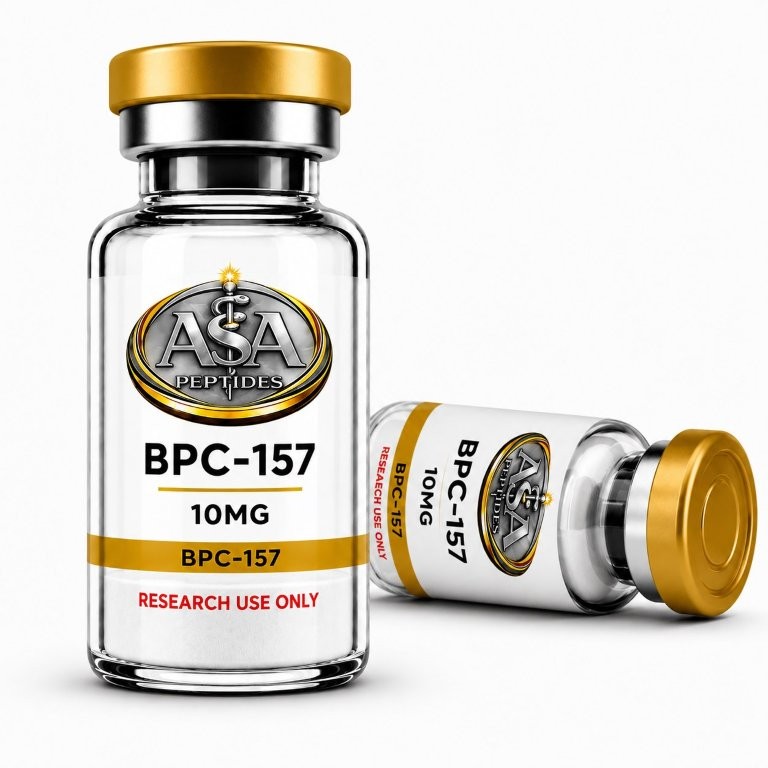
BPC-157
Explore the origin of Body Protection Compound 157, gastrointestinal peptide research and the current limitations of human evidence.
View Scientific Profile →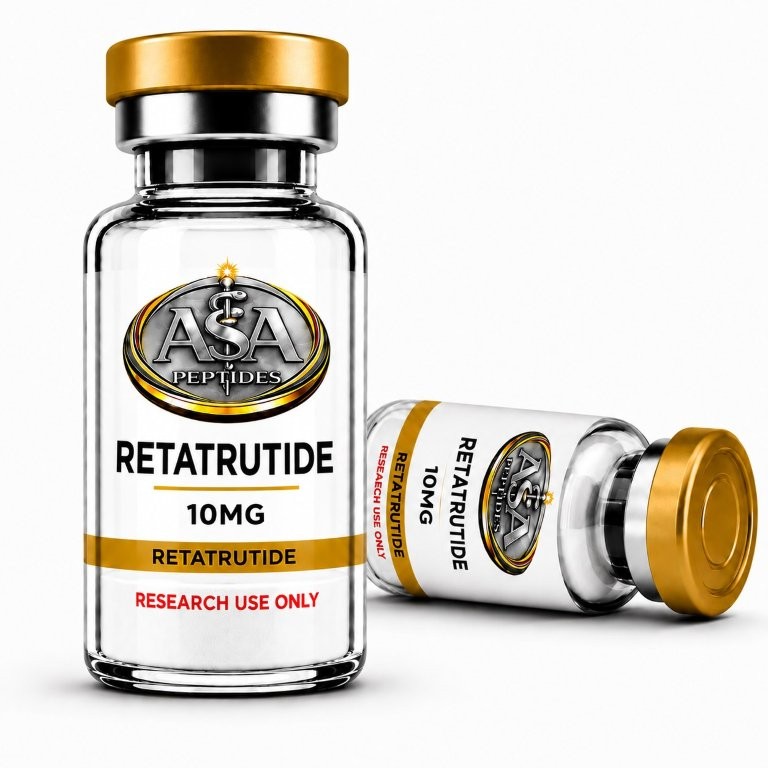
Retatrutide
Learn about GIP, GLP-1 and glucagon triple receptor agonism and the latest clinical development programme.
View Scientific Profile →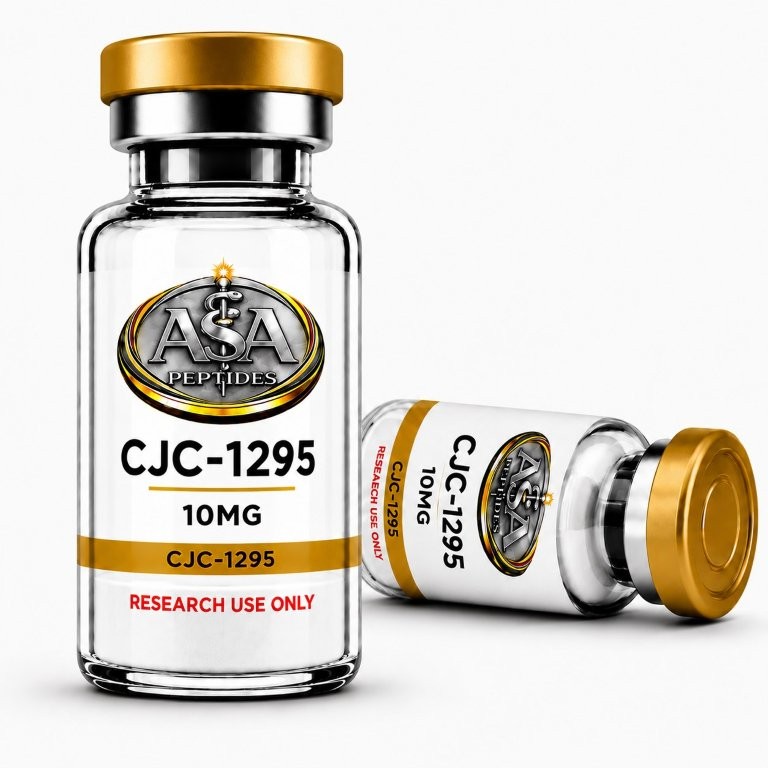
CJC-1295
Explore CJC-1295 research, its development as a long-acting growth hormone-releasing hormone analogue, GH and IGF-1 signalling, and the current state of human clinical evidence.
View Scientific Profile →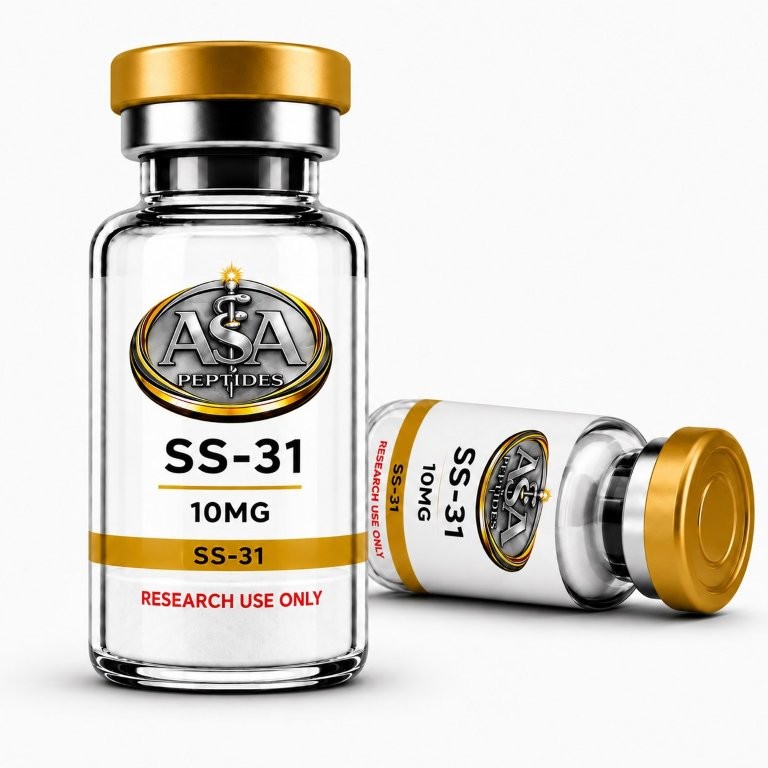
SS-31
Understand elamipretide, cardiolipin binding, mitochondrial membrane biology and its current regulatory status.
View Scientific Profile →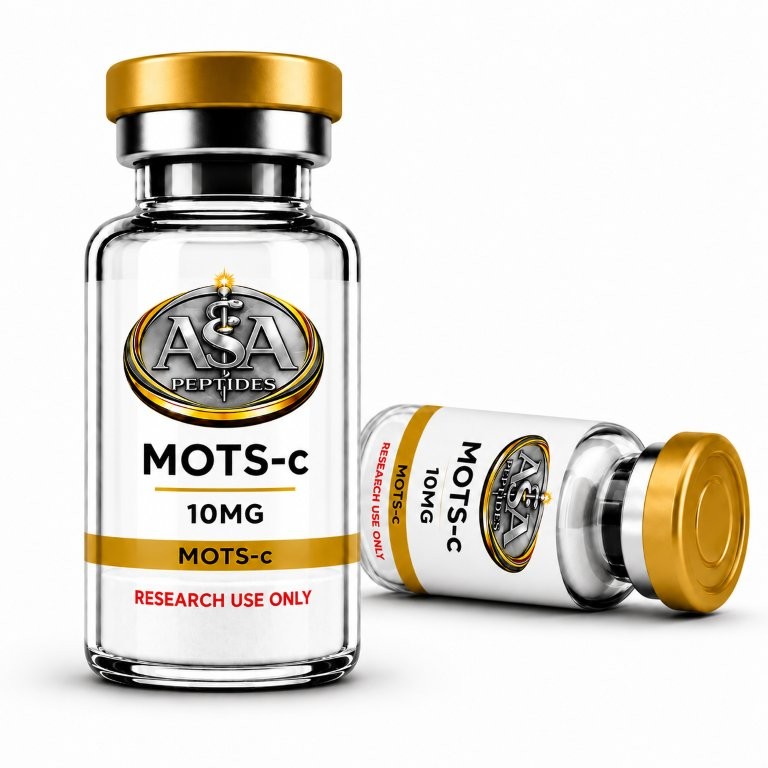
MOTS-C
Explore mitochondrial signalling, metabolic research and the evidence surrounding MOTS-c.
View Scientific Profile →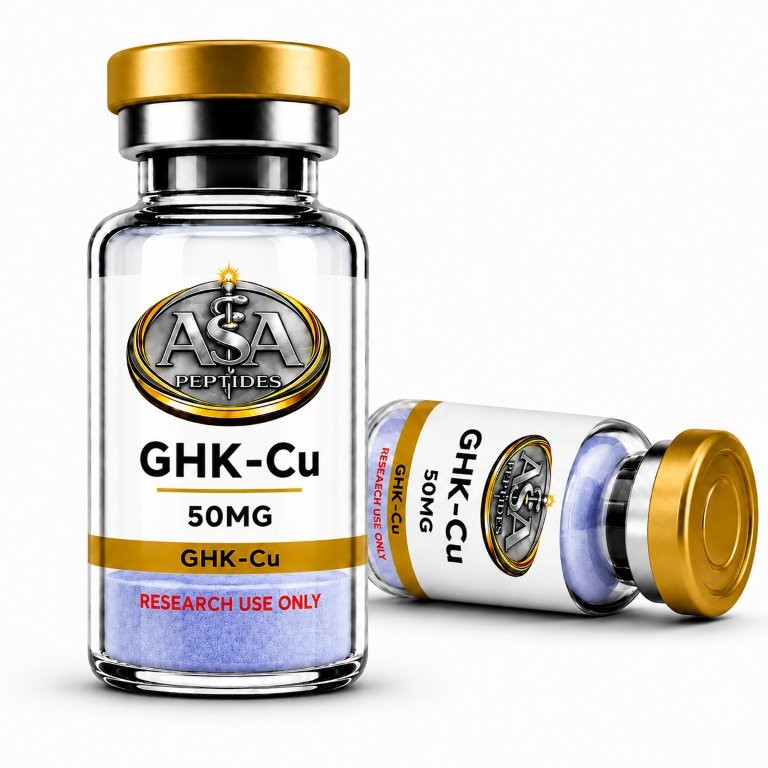
GHK-Cu
Learn about the naturally occurring GHK peptide, copper binding and research in tissue and dermal biology.
View Scientific Profile →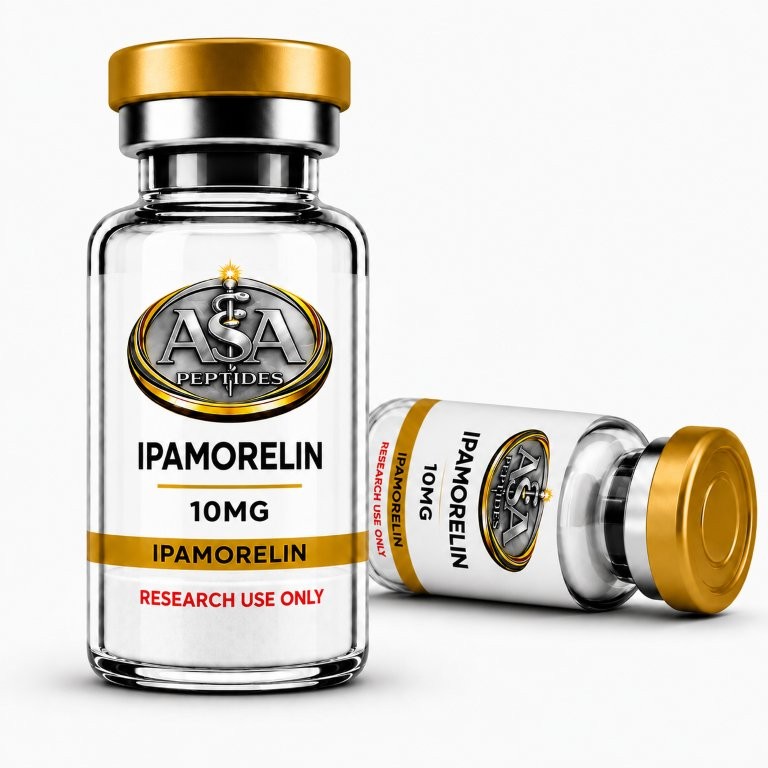
Ipamorelin
Explore ghrelin-receptor signalling and the experimental development of this selective growth hormone secretagogue.
View Scientific Profile →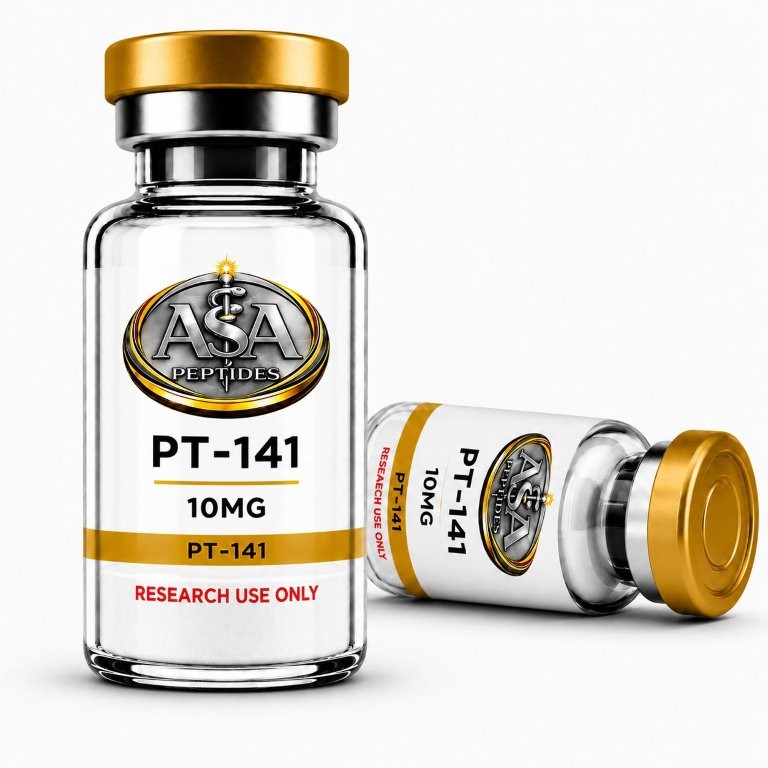
PT-141
Learn how PT-141 became bremelanotide and progressed from experimental peptide research to an approved medicine.
View Scientific Profile →Not all peptides are at the same stage of development.
A compound studied in cells or animals should not be described in the same way as one that has completed controlled human trials or received regulatory approval.
Laboratory and animal studies can reveal mechanisms and biological signals, but they do not by themselves establish effects in humans.
Phase I and early Phase II studies begin to establish human pharmacology, tolerability and potential biological effects.
Larger controlled Phase II and III trials provide stronger evidence about efficacy, safety and potential therapeutic value.
Some peptide molecules have approved pharmaceutical uses, usually for narrowly defined indications that should not be generalized to other applications.
Follow a compound from molecule to clinical evidence.
Our individual profiles are designed to answer the questions that matter when evaluating peptide research: what the molecule is, how it is thought to work, what has actually been studied and how strong the evidence currently is.
Peptide reconstitution calculator.
Use the educational calculator to understand the mathematics of peptide concentration and solution preparation, with a visual representation that makes concentration calculations easier to interpret.
Open Research CalculatorScientific context matters.
Peptide information online is often presented without distinguishing preliminary research from established human evidence. Our profiles are structured to make those differences clearer.
Identify the molecule
We begin with terminology, peptide structure, molecular identity and the biological system from which the compound or analogue originated.
Examine the evidence
Preclinical findings, controlled human trials and regulatory evidence are separated so experimental findings are not mistaken for established clinical facts.
State what remains unknown
Evidence limitations, failed endpoints, small studies, incomplete long-term data and unapproved applications are included where relevant.
Explore additional peptide science.
The information centre covers experimental peptides, endogenous signalling molecules, metabolic compounds, cosmetic peptides and molecules that have progressed into approved medicines.
TB-500
Explore thymosin beta-4 biology, actin-related mechanisms and the distinction between TB-500 and the endogenous peptide.
View Scientific Profile →Epitalon
Examine the history of epithalamin research, telomerase-related studies and the limitations of the current evidence base.
View Scientific Profile →Frag 176-191
Learn about the C-terminal growth hormone fragment and research into metabolic and lipolytic signalling.
View Scientific Profile →GHRP-6
Explore growth hormone secretagogue receptor biology, endocrine research and the historical development of GHRP compounds.
View Scientific Profile →Hexarelin
Review ghrelin-receptor activity, growth hormone secretion and experimental cardiovascular research.
View Scientific Profile →IGF-1 LR3
Understand IGF receptor biology, structural modification and why this analogue differs from endogenous human IGF-1.
View Scientific Profile →SNAP-8
Explore Acetyl Octapeptide-3, SNARE-related research and the limitations of isolated clinical evidence.
View Scientific Profile →NAD+
Learn about nicotinamide adenine dinucleotide, cellular redox biology and its role in energy metabolism.
View Scientific Profile →A resource built around peptide science.
ASA Peptide Research exists to make complex peptide information easier to understand without removing the scientific context that makes the evidence meaningful.
Our goal is not to present every peptide as proven or promising. Some compounds have extensive human data, some remain experimental, and others have moved from research laboratories into regulated pharmaceutical development.
Start exploring peptide science.
Browse detailed profiles covering molecular biology, mechanisms, research findings, clinical development, regulatory status and the scientific evidence surrounding each compound.
ASA Peptide Research is an educational resource. Information on this website discusses peptide chemistry, laboratory research, preclinical studies, clinical trials and regulatory development. References to potential biological or therapeutic applications describe scientific research and should not be interpreted as medical advice, treatment recommendations or instructions for human use.